
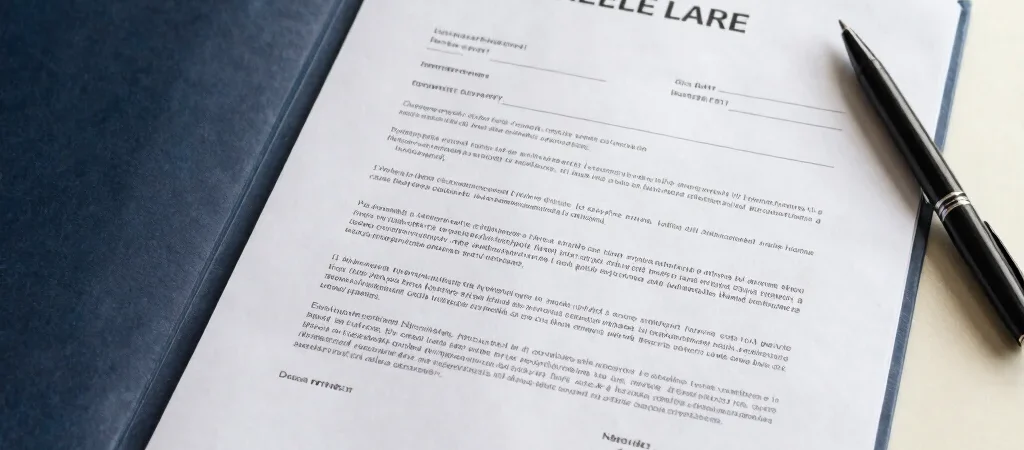
You are at the kitchen counter, the keys are nearly in reach, and the lease is several pages long. Do not let the signing appointment turn into a race. Focus first on the terms that determine what you will pay, what you are agreeing to, and how you can document a disagreement later.
Match the lease to the deal
Check that the address, names, start date, rental period, and amount due match what you were told. Look for a clear breakdown of recurring rent and any separate fees, along with when and how payments are expected. If an amount or date is blank, inconsistent, or described only in a message, ask for the written agreement to be corrected or clarified before signing.
Promises about repairs, parking, appliances, or included services matter most when they are recorded in the lease or a signed attachment. Keep the original messages too, but do not assume an informal promise overrides the written terms in every jurisdiction. Ask for a copy of every document you sign, including addenda and building rules.
Look closely at changing terms
Read clauses about rent changes, renewal, ending the tenancy, guests, pets, repairs, and entry to the home. Watch for wording that gives one side broad discretion without explaining notice or process. What a landlord can require or change depends on local law; a clause in a lease does not, by itself, establish that the clause is enforceable.
If a term seems unclear, ask what it means in a specific situation and request the answer in writing. Then check the rule for the property’s actual state or province using an official government or tribunal source. Do not rely on a lease summary written for another jurisdiction, even if the wording looks familiar.
Keep your own signed copy
Before you hand over money or move in, save a complete copy of the signed lease and any attachments somewhere you can access later. Note what questions remain open and who agreed to follow up. A short pause to resolve one unclear clause is easier than trying to reconstruct the conversation after a disagreement.